Most hybrid batteries are built to last. Toyota and Honda engineer their packs to handle well over 150,000 kilometres, and plenty of real-world drivers push well past that without ever touching the high-voltage battery. But some hybrid owners hit problems at 100,000 km. Others at 80,000. A few even sooner.
The battery didn’t fail randomly. Something accelerated the process.
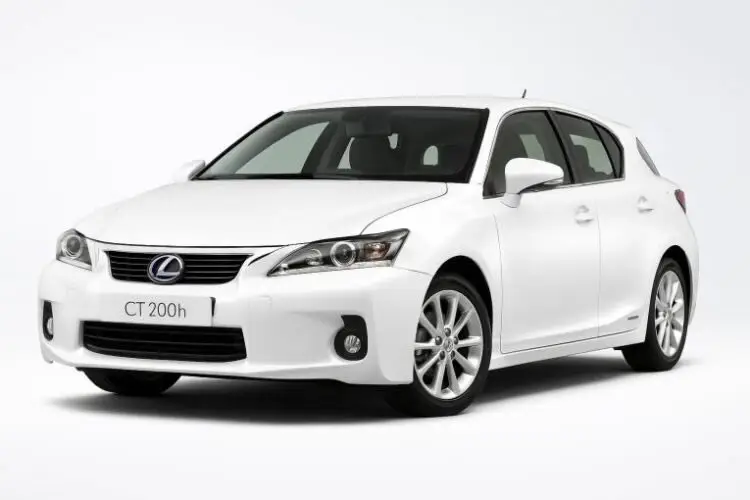
Understanding what speeds up hybrid battery lifespan reduction helps you catch problems early, adjust habits that might be silently doing damage, and make smarter decisions when replacement eventually comes up. Whether you drive a Toyota Prius, Honda Accord Hybrid, Lexus CT 200h, or RX Hybrid, the root causes are largely the same.
If there is one single factor that shortens a hybrid battery’s life more than anything else, it is heat. High-voltage hybrid batteries — both nickel-metal hydride (NiMH) and lithium-ion — degrade significantly faster when they operate at elevated temperatures over extended periods.
Hybrid battery overheating can happen in a few different ways. In warmer climates, sitting in direct sun for hours raises the battery temperature before the car even starts. In stop-and-go city traffic, the battery cycles rapidly without much time to cool between charges. In vehicles where the battery cooling vents are blocked — something that happens surprisingly often — heat builds up inside the pack with nowhere to go.
Most hybrid batteries are cooled by cabin air drawn through vents, usually located near the rear seats or under them. When those vents get blocked by floor mats, cargo, pet hair, or dust buildup, the cooling system effectively stops working. The battery runs hotter, the cells degrade faster, and lifespan drops — sometimes by years.
The fix is straightforward: keep the cooling vents clear and get them cleaned periodically. It is one of the most overlooked maintenance steps for hybrid owners and one of the most impactful.
A hybrid battery pack is not a single battery. It is a collection of individual cells — sometimes dozens, sometimes over a hundred — wired together and managed as a system. For the pack to perform well and last a long time, those cells need to stay balanced. That means they should all hold roughly the same charge level and discharge at roughly the same rate.
Hybrid battery imbalance causes vary, but the most common is age combined with uneven cell wear. Over time, some cells lose capacity faster than others. Once one group of cells starts lagging behind, the battery management system has to compensate. The weak cells get pushed harder during charge and discharge cycles, which stresses them further and accelerates their decline.
What makes this tricky is that a moderately imbalanced battery often feels fine to drive. Fuel economy might dip slightly. The car might hesitate now and then. But the damage is happening underneath, and by the time warning lights appear, the pack is already in serious trouble.
Imbalance can also be triggered by deep discharge events — situations where the battery gets drained much lower than it should. This can happen if a hybrid sits unused for a long stretch without being driven, or in rare cases where a fault in the management system allows the pack to discharge too far. Deep discharges are particularly hard on lithium-ion cells and can cause permanent capacity loss even after a single event.
This surprises a lot of hybrid owners, because the assumption is that hybrids thrive in city driving. And they do use fuel more efficiently in stop-and-go conditions — but that is different from saying short trips are easy on the battery.
When you take a lot of short trips, the battery rarely goes through a full, healthy charge-discharge cycle. It gets used partially, charged partially, used again, and so on. Over time, this pattern can cause what is sometimes called shallow cycling stress, where the battery never fully normalises between uses. For NiMH batteries in particular, regular full cycles help keep the pack healthy and balanced.
There is also the issue of the battery never properly warming up to its optimal operating temperature on very short trips. Cold starts in Vancouver winters — even mild ones — put more strain on the battery than a fully warmed-up system does.
If most of your driving is short errands around the neighbourhood, mixing in the occasional longer highway run is genuinely good for your hybrid battery’s long-term health.
A hybrid battery that is starting to fail sends signals before it fully gives out. The problem is that those signals are easy to dismiss, especially in the early stages when the car still drives reasonably well.
A small drop in fuel economy might get blamed on traffic patterns or the type of driving you have been doing lately. A slightly sluggish feel off the line might get chalked up to a bad day. The battery charge gauge behaving a little erratically might not even register as worth mentioning at a service appointment.
But every kilometre driven on a battery that is already degrading adds more stress to the weak cells. Imbalance gets worse. Heat builds up more easily. The cascade accelerates.
Getting a hybrid battery diagnostic when you first notice something off costs very little — many shops will scan your vehicle codes for free. Catching imbalance early opens the door to options like cell reconditioning or targeted cell replacement that are not available once the pack has failed more broadly. Waiting until warning lights are blinking often means the only path forward is a full hybrid battery replacement, which is a larger expense.
Beyond heat and imbalance, a few specific maintenance gaps consistently show up as contributing factors in premature battery failure.
Neglecting the cooling system. As mentioned, the battery cooling vents need to be kept clear and cleaned regularly. Most hybrid manufacturers recommend checking and cleaning these as part of routine service, but many owners — and even some mechanics — skip it.
Infrequent driving. Hybrid batteries do not like sitting idle for weeks at a time. The battery management system maintains a minimum charge level while the car is parked, which is why hybrids draw a small amount of energy even when turned off. But extended periods of non-use can still allow the pack to drift into an unhealthy state. If you are leaving a hybrid parked for more than a few weeks, giving it a regular drive helps maintain battery health.
Ignoring 12V battery issues. The small 12-volt auxiliary battery in a hybrid powers the electronics and communication systems, including those that manage the high-voltage pack. A weak or failing 12V battery can cause incorrect signals to be sent to the hybrid management system, which can lead to the high-voltage battery being charged or discharged incorrectly. Replacing the 12V battery on schedule is an underappreciated part of hybrid maintenance.
Using non-specialist shops for hybrid service. Not every mechanic is familiar with hybrid systems, and incorrect software recalibration, charging errors, or missed fault codes can all contribute to battery stress over time.
The good news is that most of these causes are preventable or at least manageable. A few habits make a genuine difference:
Keep the battery cooling vents clean and unobstructed. This is the single easiest thing most hybrid owners can do right now.
Mix in longer drives with short ones. A regular run on the highway gives the battery a proper charge-discharge cycle and helps keep cells balanced.
Pay attention to early warning signs. Changes in fuel economy, unusual gauge behaviour, or any dashboard warnings related to the hybrid system are worth investigating promptly.
Service your hybrid at a shop with genuine hybrid experience. A specialist who works on hybrid batteries regularly will catch issues that a general mechanic might miss.
Get a battery health check if your vehicle is approaching 8 to 10 years old or 150,000+ kilometres, even if it still feels fine.
When replacement does become necessary, working with a trusted specialist like Greentec Canada means getting a quality remanufactured or new-cell battery backed by a solid warranty. They offer hybrid batteries and EV batteries for a wide range of makes and models, with mobile installation available across Metro Vancouver and Surrey. Their warranty policycovers unlimited kilometres, and you can read what real customers have said on their reviews page. For more hybrid guides, the Greentec Canada blog is a useful resource to bookmark.
If you have questions or want to talk through your specific situation, reach out through the contact page or call (604) 247-4091
What is the most common cause of early hybrid battery failure? Heat is the leading cause. When a hybrid battery runs too hot — whether from blocked cooling vents, hot climate parking, or heavy stop-and-go use without adequate airflow — the cells degrade much faster than they should. Keeping the battery cooling vents clean is the single most impactful thing most hybrid owners can do to protect their pack.
What causes hybrid battery imbalance? Hybrid battery imbalance happens when individual cells within the pack lose capacity at different rates over time. Some cells age faster than others, and once the gap grows, the weaker cells get pushed harder during normal use, which speeds up their decline further. Deep discharge events, extended periods of non-use, and age all contribute. Imbalance is one of the main reasons a battery can feel fine to drive but still be in early stages of failure.
Does city driving shorten hybrid battery life? It can, depending on the type of city driving. Short trips that never allow a full charge-discharge cycle and heavy stop-and-go traffic that keeps the battery cycling rapidly without cooling time both add stress. Hybrids are fuel-efficient in the city, but mixing in regular longer drives helps keep the battery healthy and balanced over time.
How do I know if my hybrid battery is degrading before warning lights come on? The most common early signs are a noticeable drop in fuel economy, slight hesitation or sluggishness when accelerating, and the battery charge gauge behaving less predictably than it used to. If any of these appear, getting a diagnostic scan is a sensible first step. Many shops will run a basic code scan for free, and a hybrid battery specialist can do a more detailed health assessment.
What happens if I ignore a failing hybrid battery? A degrading battery that keeps being driven gets progressively worse. Cell imbalance deepens, heat builds up more easily, and what might have been addressed with targeted repairs or reconditioning becomes a full pack failure. This generally makes hybrid battery replacement necessary sooner and more urgently than it would have been with earlier intervention. Addressing symptoms early typically leads to better outcomes and lower overall costs.
This post is intended as a general informational guide. For a battery health assessment or to discuss replacement options for your specific vehicle, contact Greentec Canada directly or call (604) 247-4091. For UK readers, Greentec UK provides the same level of hybrid battery expertise across Manchester, Birmingham Liverpool, Leeds, and London.
*Offer cannot be combined with other promotions.