Need help? Call Now (604) 247-4091

Remanufactured Hybrid Battery: The Smart, Sustainable Choice for Canadian Drivers

2007-2011 Toyota Camry Remanufactured Hybrid Battery, 24 Months Warranty
With return of your old battery

2007-2011 Toyota Camry Hybrid Battery, Brand New Cells, 48 Months Warranty
With return of your old battery. Purchase high voltage battery replacement for Toyota Camry Hybrid with 3-year Unlimited Mileage Warranty
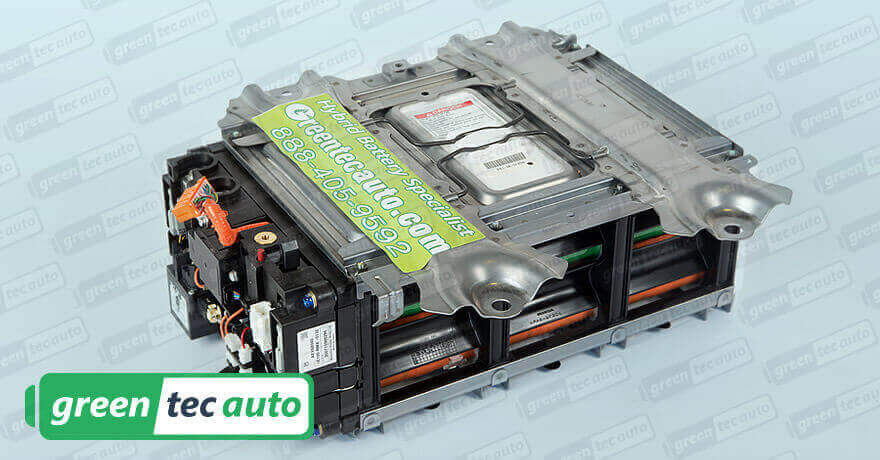
2006-2011 Honda Civic Remanufactured Hybrid Battery, 12 Months Warranty
With the return of your old battery. Purchase high voltage battery replacement for Honda Civic Hybrid: 12 months / Unlimited Mileage Warranty + FREE Shipping
2006-2011 Honda Civic Hybrid Battery, New 8.0 Amp Cells, 36 Months Warranty
With return of your old battery
Boost the POWER & PERFORMANCE: Upgrade with New Generation 8 AMP Hour Cells
2006-2011 Honda Civic Hybrid Battery, High-Capacity Cells, 24 Months Warranty
With return of your old battery
Boost the POWER & PERFORMANCE: Upgrade with Newer High Capacity Cells
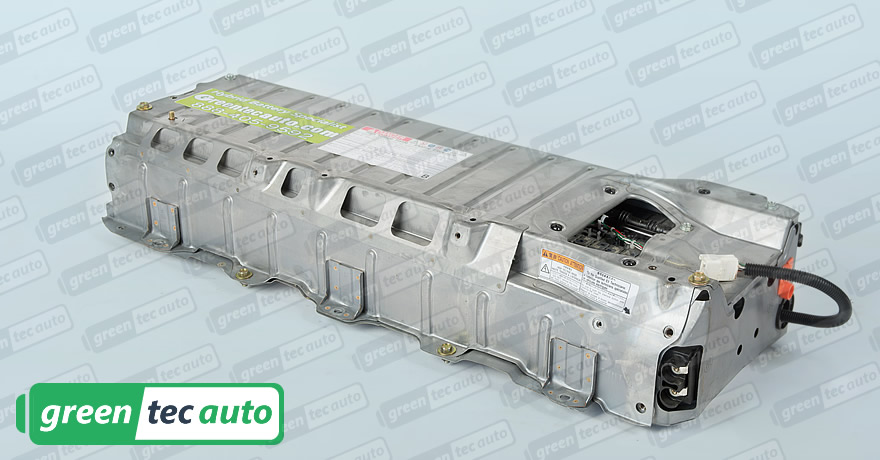
2001–2003 Toyota Prius Hybrid Battery, Remanufactured Pack, 12 Months Warranty
With return of your old battery
With return of your old battery
2001-2003 Toyota Prius Hybrid Battery, New Cells, 36 Months Warranty
With return of your old battery
Your hybrid’s battery warning light just came on. Your fuel economy is dropping. And you’re dreading that dealership quote.
Sound familiar? Here’s the good news: you don’t have to spend thousands on a brand-new battery. There’s a better way—and it’s called remanufacturing.
What Is a Remanufactured Hybrid Battery?
A remanufactured hybrid battery isn’t just a “used” battery. It’s been completely rebuilt from the ground up to perform like new.
Here’s what makes it different: experts disassemble the entire battery pack, test every single cell, replace worn-out components, and reassemble everything to meet strict quality standards. Think of it as a complete restoration, not just a quick fix.
The Science Behind Battery Remanufacturing
The global remanufactured battery market reached $2,591 million in 2024 and is projected to hit $6,023 million by 2031, driven by growing demand for sustainable alternatives. This isn’t some backyard operation—it’s a sophisticated industry backed by serious engineering.
The remanufacturing process follows rigorous protocols. Companies test batteries to standards set by the U.S. Department of Energy, the Society of Automotive Engineers, and the U.S. Advanced Battery Consortium. These aren’t suggestions—they’re the same benchmarks used for new batteries.
Each battery goes through comprehensive testing:
- Capacity testing to verify charge retention
- Internal resistance testing for efficient energy transfer
- Load testing under real-world driving conditions
- Thermal testing across various temperatures
How Remanufactured Batteries Differ From Refurbished and Used Options
Let’s clear up the confusion. These three terms aren’t interchangeable.
Used batteries are sold as-is. No testing, no warranty, no promises. You’re buying someone else’s problem and hoping for the best.
Refurbished batteries get basic cosmetic work and maybe some light testing. They might look better, but the underlying issues often remain.
Remanufactured batteries are completely rebuilt. Worn cells get replaced. Software gets updated. Everything is tested multiple times. It’s the difference between slapping on a coat of paint versus rebuilding the entire engine.
| Feature | Remanufactured | Refurbished | Used |
| Full disassembly & inspection | ✓ | Sometimes | ✗ |
| Cell replacement | ✓ | Rarely | ✗ |
| Comprehensive testing | ✓ | Limited | ✗ |
| Warranty included | ✓ | Sometimes | ✗ |
| Performance guarantee | ✓ | ✗ | ✗ |
Why Choose a Remanufactured Hybrid Battery?
Real Cost Savings That Matter
New hybrid batteries from dealerships in Canada typically range from $3,500 to over $8,500, depending on the vehicle, battery size, and availability. In some cases, pricing can climb even higher for newer or luxury hybrid models.
Remanufactured hybrid batteries generally cost 30–50% less than dealership replacements, making them a far more practical option for many Canadian drivers.
For example, a Toyota Prius hybrid battery may cost $4,000–$6,000+ at a dealership, while a high-quality remanufactured option commonly falls between $1,500 and $2,500, depending on model year and warranty coverage.
Environmental Impact You Can Feel Good About
Every remanufactured battery keeps toxic materials out of landfills and reduces the demand for new mining operations. Manufacturing new batteries requires extensive resource extraction—lithium, cobalt, nickel—all with significant environmental costs.
Recent research emphasizes the need for sustainable end-of-life battery management strategies to reduce environmental impact by prolonging battery lifecycles. Remanufacturing does exactly that.
You’re not just saving money. You’re part of the circular economy—a system that reuses resources instead of constantly extracting new ones. It’s practical environmentalism that doesn’t require sacrifice.
Performance That Matches Your Expectations
Here’s what matters most: does it actually work?
Yes. When done right, remanufactured batteries deliver performance comparable to new units. You’ll get the same fuel efficiency, the same electric-only range, and the same smooth hybrid operation.
The key phrase is “when done right.” Quality matters here. Reputable remanufacturers follow strict testing protocols and offer warranties to back up their work. A properly remanufactured battery should last 3-5 years or more, depending on your driving habits and climate.
Is a Remanufactured Battery Right for Your Vehicle?
Signs Your Hybrid Battery Is Failing
Your car will tell you when it’s time. Watch for these warning signs:
- Declining fuel economy: If you’re filling up more often, your battery isn’t holding charge effectively
- Dashboard warning lights: That battery icon or check engine light isn’t decorative
- Reduced electric-only range: Your EV mode barely lasts a few blocks
- Engine running more frequently: The gas engine compensates for weak battery performance
- Sluggish acceleration: Your hybrid feels underpowered, especially from stops
If you’re experiencing several of these symptoms, get your battery tested by a professional. The earlier you catch it, the more options you have.
Not sure if you need a full replacement? Check out this guide on hybrid battery replacement in Vancouver to understand your options.
Evaluating Your Vehicle’s Condition
Age matters, but it’s not everything. A well-maintained 10-year-old Prius with 150,000 km might be worth a battery replacement. A beat-up 15-year-old model with 300,000 km and rust issues? Maybe not.
Consider:
- Overall vehicle condition: Does everything else work well?
- Maintenance history: Have you kept up with regular service?
- Body condition: Is rust eating away at the frame?
- Future plans: Do you want to keep the car for another 5+ years?
If your hybrid is still solid and you’re not ready for a new car payment, a remanufactured battery makes perfect sense.
Finding Quality Remanufactured Hybrid Batteries in Canada
What to Look for in a Supplier
Not all remanufactured batteries are created equal. Here’s what separates the pros from the amateurs:
Warranty length and coverage: Look for at least 2-3 years with comprehensive parts and labor coverage. Companies confident in their work back it up with strong warranties.
Testing standards: Ask about their testing protocols. Do they follow industry standards like those set by SAE International? Do they test individual cells or just the whole pack?
Cell replacement policy: Quality remanufacturers replace weak cells, not just the obviously dead ones. Ask about their threshold for cell replacement.
Customer reviews: Real feedback from real customers matters. Look beyond the company’s website—check Google reviews, forums, and social media.
Technical support: Can you call someone if you have questions? Or are you on your own after purchase?
Price Expectations Across Canada
Prices vary by province due to shipping costs, labor rates, and local market conditions. Here’s what you can expect to pay for a remanufactured hybrid battery in 2025:
| Province | Average Price Range (CAD) |
| Ontario | $1,200 – $2,000 |
| British Columbia | $1,300 – $2,100 |
| Alberta | $1,250 – $2,050 |
| Quebec | $1,200 – $2,000 |
Pricing can vary based on battery availability, vehicle condition, installation needs, and warranty options. For the most accurate and up-to-date pricing for your specific hybrid model, it’s best to contact Greentec Auto Canada directly.
Compatibility With Popular Canadian Hybrid Models
Most remanufactured batteries are available for common hybrids on Canadian roads:
- Toyota Prius (2004-2015 models especially popular)
- Toyota Camry Hybrid (2007-2017)
- Honda Civic Hybrid (2003-2015)
- Honda Accord Hybrid (2005-2015)
- Ford Fusion Hybrid (2010-2020)
- Lexus RX Hybrid (2006-2015)
Always verify compatibility before purchasing. Model years matter—a battery for a 2010 Prius won’t fit a 2015, even though both are third-generation.
Looking for options? Browse hybrid battery inventory and EV battery options to see what’s available for your specific vehicle.
Installation and Long-Term Care
Professional Installation: Worth Every Penny
Hybrid batteries operate at 200-300 volts. That’s enough to seriously injure or kill you if something goes wrong. This isn’t like changing your oil—it’s high-voltage electrical work that requires specialized training and equipment.
Professional installation ensures:
- Safety: Technicians know how to discharge high-voltage systems safely
- Proper calibration: Your car’s computer needs to recognize and calibrate to the new battery
- Warranty protection: Most warranties require professional installation
- Diagnostic verification: Pros can confirm the battery was actually the problem
Some provinces require licensed technicians for hybrid battery work. Don’t risk your safety or your warranty trying to save a few hundred dollars.
Need installation? Greentec offers mobile installation services across Canada, bringing the expertise to your location.
Finding Qualified Technicians
Look for technicians with:
- Hybrid-specific certification: ASE certification (in the U.S.) or provincial equivalents
- Experience with your vehicle make: Toyota hybrids differ from Honda hybrids
- Proper safety equipment: High-voltage gloves, insulated tools, discharge equipment
- Diagnostic capabilities: Can they verify the battery is properly integrated?
Ask your supplier for installer recommendations. Many have networks of qualified technicians they work with regularly.
Extending Your Remanufactured Battery’s Life
Want to maximize your investment? Follow these practices:
Keep it cool: Extreme heat degrades battery chemistry faster than anything else. Park in shade when possible. In Canadian winters, let the car warm up gently rather than demanding full power immediately.
Drive regularly: Batteries hate sitting unused. Even in winter, drive your hybrid at least once a week for 20-30 minutes.
Avoid deep discharges: Don’t let your battery sit at very low charge for extended periods. Keep your tank above 1/4 full so the gas engine can support the battery.
Maintain the cooling system: Hybrid batteries have cooling fans and filters. Keep them clean and functional. A clogged filter forces the battery to work harder and overheat.
Monitor battery health: Pay attention to your fuel economy and EV range. Gradual declines are normal, but sudden drops indicate problems.
With proper care, a quality remanufactured battery should give you 100,000-150,000+ km of reliable service.
Making the Smart Choice
Choosing a remanufactured hybrid battery isn’t settling for second-best. It’s making a financially smart, environmentally responsible decision that keeps your hybrid running strong without the dealership markup.
The global remanufactured battery market is expected to reach $13,304 million by 2031, growing at 12.9% annually—proof that this isn’t a niche solution but a mainstream alternative embraced worldwide.
The math is simple: save thousands of dollars, reduce environmental impact, and get performance that matches your needs. For most Canadian hybrid owners, that’s a winning combination.
Ready to explore your options? Whether you’re in Vancouver, Toronto, Calgary, or Montreal, quality remanufactured batteries are available from suppliers who stand behind their work with solid warranties and professional support.
Your hybrid has years of life left. Give it the battery it deserves without giving up your savings in the process.
Available Beyond Canada
While this guide is written for Canadian drivers, Greentec Auto also provides hybrid and EV battery solutions in the UK. If you’re based in Britain or researching options overseas, you can explore our UK services at Greentec Auto UK for model-specific availability, pricing, and installation options.
Looking for expert guidance on your specific vehicle? Explore hybrid battery replacement options or contact Greentec Auto for personalized recommendations from Canada’s trusted battery specialists.
2026 January 8 (for review)
Is It Worth Replacing a Hybrid Battery in Canada? What You Need to Know in 2025
Meta Description: Should you replace your hybrid battery or trade in your car? Use our financial framework to make the smartest decision for your situation in 2025.
The $3,000 Question Every Canadian Hybrid Owner Eventually Faces
Your hybrid has been perfect for years. Then one morning, everything changes. Maybe it’s a warning light. Maybe it’s fuel economy that’s suddenly terrible. Or maybe your mechanic just delivered news you didn’t want to hear: your hybrid battery is failing.
Now you’re staring at a quote for $2,500 to $4,000 and asking yourself the question that brought you here: Is this actually worth it?
It’s a legitimate question. That’s real money—money that could go toward a down payment on a newer vehicle, or stay in your savings account, or fund a dozen other priorities.
Here’s what makes this decision complicated: there’s no universal right answer. For some Canadian hybrid owners, battery replacement is the smartest financial move they’ll make this year. For others, it’s throwing good money after bad.
This guide won’t tell you what to decide. Instead, it gives you a decision-making framework—the same one financial advisors and automotive experts use—so you can evaluate your specific situation and make the choice that actually makes sense for you.
The Real Question Isn’t “How Much Does It Cost”—It’s “What Am I Really Buying?”
Most people approach the battery replacement decision wrong. They focus entirely on the upfront cost: “Is this $3,000 worth it?”
That’s the wrong question.
The right question is: “What am I actually purchasing with this $3,000, and what are my alternatives?”
When you replace your hybrid battery, you’re not just buying a component. You’re purchasing:
Extended vehicle lifespan: 5-8 more years of reliable transportation from a car you already own and understand.
Avoided replacement costs: Not spending $25,000-$45,000 on a new vehicle, or $12,000-$25,000 on a used one.
Preserved fuel efficiency: Returning to hybrid-level economy, saving $1,500-$2,500 annually compared to equivalent gas vehicles.
Known reliability: Keeping a vehicle with a maintenance history you understand, rather than inheriting someone else’s unknown problems.
Avoided financing: No interest payments, no monthly car payment, no insurance rate increase that comes with newer vehicles.
Environmental benefit: Avoiding the 17 tons of CO2 produced when manufacturing a new vehicle.
When you frame it this way, you’re not asking “Is $3,000 worth it?” You’re asking “Is $3,000 worth 5-8 years of transportation, $30,000 in avoided vehicle purchases, and $10,000+ in avoided financing and fuel costs?”
Suddenly the math looks very different.
The Three-Factor Financial Analysis Framework
Financial advisors who counsel clients on major purchases use a three-factor framework. You should too.
Factor 1: The Cost-to-Value Ratio
This is your starting point. What’s the relationship between replacement cost and current vehicle value?
Calculate your ratio:
- Find your vehicle’s current market value (check AutoTrader, Kijiji, or Canadian Black Book for realistic selling prices)
- Get accurate battery replacement quotes from both dealerships and specialists
- Divide replacement cost by vehicle value
Example: Your 2014 Toyota Camry Hybrid is worth $13,500. Battery replacement through Greentec Canada costs $2,800. Your ratio is 0.21 (21%).
Decision guideline:
- Under 25%: Strong financial case for replacement
- 25-40%: Evaluate other factors carefully
- 40-60%: Marginal—depends heavily on other circumstances
- Over 60%: Usually doesn’t make financial sense
This ratio isn’t the final answer, but it’s your baseline. If you’re above 60%, you need compelling reasons from the other factors to justify replacement.
Factor 2: The Retention Timeline
How long will you keep the vehicle after battery replacement? This dramatically changes the value proposition.
The 3-Year Rule: If you plan to drive the vehicle for at least 3 more years after replacement, the investment typically makes financial sense (assuming your cost-to-value ratio is under 50%).
Why 3 years matters:
Year 1 after replacement, you’re still “paying back” the battery investment through avoided car payments and preserved fuel efficiency. By Year 2, you’ve typically broken even. Year 3 and beyond is pure financial gain—you’re driving a reliable vehicle for just maintenance costs while avoiding thousands in payments you’d make on a replacement vehicle.
Calculate your break-even:
- Monthly payment on replacement vehicle: $450-$750
- Your current monthly hybrid cost (insurance, gas, maintenance): ~$200-$300
- Monthly savings by keeping your hybrid: $250-$450
- Months to recover $3,000 battery investment: 7-12 months
After one year, you’ve recovered the battery cost. Everything beyond that is money saved.
But what if you’re not sure how long you’ll keep it?
Ask yourself these honest questions:
- Do you genuinely like this vehicle, or have you been wanting to replace it anyway?
- Is your lifestyle changing in ways that require different transportation (growing family, different commute, etc.)?
- Are there other expensive repairs looming (transmission, major engine work) that would push you to replace the vehicle soon?
If you’d likely trade in the vehicle within 18 months regardless of the battery, replacement probably doesn’t make sense. You won’t recoup the investment.
Factor 3: The Opportunity Cost Analysis
This is where most people’s analysis stops too soon. When you spend $3,000 on a battery, what else could that money do?
Option A: Replace the battery
- Cost: $3,000 upfront
- Benefit: Keep current vehicle running for 5-8 years
- Avoided cost: $25,000-$45,000 new vehicle purchase
- Annual savings: $5,400 in avoided car payments ($450/month)
Option B: Trade in as-is and buy used
- Cost: $12,000-$20,000 for comparable used hybrid
- Financing: Likely 5-7% interest on $15,000 = $1,050-$1,470 in interest over loan term
- Unknown factor: Inheriting someone else’s maintenance issues
- Risk: That “new-to-you” hybrid might also need a battery soon
Option C: Trade in as-is and buy new
- Cost: $30,000-$45,000
- Financing: 6-8% interest on $35,000 = $6,300-$9,800 in interest over loan term
- Benefit: Factory warranty, latest technology
- Cost: $450-$650 monthly payments for 5-7 years
Option D: Sell as-is and drive something cheaper
- Cost: $8,000-$15,000 for older gas vehicle
- Trade-off: Lose hybrid fuel economy (spend $1,500-$2,500 more annually on gas)
- Risk: Older vehicles often need repairs
When you map out the full 5-year cost of each option, battery replacement usually emerges as the clear financial winner—but only if you’re actually keeping the vehicle long enough to realize those savings.
The Hidden Variables That Change Everything
Beyond the three-factor framework, certain circumstances can completely flip the analysis.
Your Specific Vehicle’s Resale Trajectory
Not all hybrids age equally. Some models hold value exceptionally well, while others depreciate rapidly.
Strong resale value (favors replacement):
- Toyota Prius: Consistently strong used market demand
- Lexus hybrids: Luxury badge maintains value
- Honda Accord Hybrid: Reliable reputation supports pricing
Weak resale value (argues against replacement):
- First-generation hybrids (2000-2005 models): Limited market interest
- Less common hybrid models: Fewer buyers willing to pay premium
- High-mileage vehicles (over 250,000 km): Depreciation has already occurred
If your vehicle would sell for strong money with a fresh battery, replacement makes more sense. If it’s worth little regardless, putting $3,000 into it is harder to justify.
Regional Market Conditions
Where you live in Canada affects both replacement cost and resale value.
Major urban centers (Toronto, Vancouver, Montreal, Calgary):
- More competition among battery installers = lower prices
- Stronger used hybrid market = better resale value
- More specialists offering mobile installation
Smaller cities and rural areas:
- Fewer service options = potentially higher installation costs
- Smaller used market = lower resale values
- May require traveling to larger centers for service
A battery replacement that makes perfect sense in Vancouver might be marginal in a smaller community where used hybrid demand is limited.
Your Personal Transportation Needs Evolution
Life changes alter vehicle needs. Battery replacement assumes your current hybrid still fits your life 3-5 years from now.
Scenarios that argue against replacement:
- Growing family needing more space than your current hybrid offers
- Commute eliminated by remote work (don’t need fuel efficiency anymore)
- Moving to area with harsh winters where AWD is valuable
- Downsizing to single-car household (need more versatile vehicle)
Scenarios that favor replacement:
- Current hybrid perfectly suits your needs
- Long commute makes fuel efficiency valuable
- No major lifestyle changes anticipated
- Vehicle has emotional significance
Be honest about whether battery replacement is delaying an inevitable vehicle change or genuinely extending a vehicle that still fits your life.
The “Other Repairs Looming” Factor
A battery doesn’t fail in isolation. Your vehicle’s overall condition matters enormously.
Yellow flags (evaluate carefully):
- Transmission showing signs of wear
- Significant rust or body damage
- Other major systems (AC, heating) already failed
- High mileage (over 300,000 km) with original engine
Green lights (favors replacement):
- Recent major services completed (brakes, tires, fluids)
- Body and interior in good condition
- No other significant issues identified
- Regular maintenance history documented
If your hybrid needs $3,000 for the battery plus another $2,500 in other repairs, you’re looking at $5,500 total. That changes the math considerably.
Ask your mechanic: “If I replace the battery, what else am I likely to spend in the next 2-3 years?” Their honest answer should inform your decision.
When the Math Says “No” But Your Gut Says “Yes”
Sometimes the financial analysis suggests replacement doesn’t make sense, but you still want to do it. That’s okay—just be honest about why.
Valid non-financial reasons to replace the battery:
Environmental commitment: You bought a hybrid for environmental reasons, and extending its life aligns with those values even if it costs slightly more. The avoided emissions from not manufacturing a new vehicle matter to you.
Emotional attachment: This vehicle has been incredibly reliable. You trust it. It’s comfortable. You genuinely like driving it. There’s real value in peace of mind, even if you can’t quantify it in a spreadsheet.
Hatred of car shopping: The thought of spending weekends researching, test-driving, and negotiating makes you miserable. The battery replacement, while expensive, is a one-time decision rather than a month-long ordeal.
Simplicity: You know this car. The seats are adjusted perfectly. The controls are intuitive. Starting over with a different vehicle means relearning everything.
These are legitimate reasons to proceed even when the pure financial analysis is marginal. Just make sure you’re making the choice consciously rather than avoiding the decision.
When to Walk Away: Red Flags That Override the Math
Conversely, sometimes emotional attachment or optimism can override clear warning signs that replacement doesn’t make sense.
Walk away if:
The vehicle has been unreliable: If this isn’t the first major repair—if you’ve been putting money into it repeatedly—the battery failure is a signal to exit. You’re chasing good money after bad.
Rust or structural issues exist: Battery replacement won’t fix a vehicle that’s structurally compromised. If your hybrid has significant rust, frame damage, or body integrity issues, don’t invest in the battery.
You actively dislike the vehicle: If you’ve been tolerating rather than enjoying this hybrid, don’t convince yourself that a new battery will suddenly make you love it. It won’t.
Multiple expensive repairs are needed: Battery plus transmission plus AC plus other major systems = you’re rebuilding a vehicle that’s worth less than the total repair cost.
You can’t afford the replacement: If paying for the battery means going into debt or depleting your emergency fund, don’t do it. Automotive repairs should never create financial hardship.
In these situations, accept that the vehicle has reached the end of its useful life for you. Sell it as-is (even with a bad battery, someone will buy it for parts or repair) and redirect that sale money toward your next vehicle.
The Specialist vs. Dealership Decision: Why It Matters More Than You Think
Once you’ve decided replacement makes sense, where you have it done is almost as important as the decision itself.
Why Dealerships Cost More (And When That Might Be Worth It)
Dealerships charge premium prices because:
- They exclusively use new OEM batteries (no remanufactured options)
- Higher overhead (real estate, large staff, corporate structure)
- Standardized pricing with limited negotiation flexibility
When dealerships make sense:
- Your vehicle is still under factory hybrid warranty (must use dealer to maintain coverage)
- You’re trading in soon and want official service records
- You have an established relationship with a dealership you trust deeply
For most situations: Dealership pricing adds $1,500-$3,000 to your total cost without proportional benefit.
Why Specialists Deliver Better Value
Hybrid specialists like Greentec Auto focus exclusively on hybrid and EV battery replacement. This specialization creates advantages:
Cost savings: 30-50% less than dealerships through:
- Offering both new and professionally remanufactured batteries
- Lower overhead from focused business model
- Competitive pricing to win your business
Expertise: Technicians who work on hybrid batteries every day develop deeper specific knowledge than general dealership mechanics who handle everything from oil changes to transmissions.
Convenience: Mobile installation services bring certified technicians to your location across Canada, saving you towing costs and time.
Warranty protection: Reputable specialists provide comprehensive warranties comparable to or exceeding dealership terms.
The key is choosing established specialists with proven track records, multiple locations across Canada, and transparent business practices.
The Remanufactured Battery Question
Many Canadian hybrid owners don’t realize professionally remanufactured batteries deliver 90-100% of new battery performance at 40-60% of the cost.
What “remanufactured” actually means:
Not a used battery pulled from a junkyard. Professional remanufacturing involves:
- Complete disassembly: Every cell tested individually
- Module replacement: All weak or failed cells replaced with tested components
- Voltage balancing: Entire pack rebalanced for uniform performance
- Load testing: Battery subjected to real-world stress testing
- Quality inspection: Final verification before installation
When remanufactured makes sense:
- Your vehicle is 6+ years old (matching investment to expected remaining vehicle life)
- You plan to drive it 3-5 more years (long enough to realize value)
- You want dealer-quality performance without dealer pricing
- You’re budget-conscious but won’t compromise on reliability
When to choose new:
- Your vehicle is relatively new (under 5 years old)
- You plan to keep it 8+ years after replacement
- You want absolute maximum lifespan from the battery
- Price difference between new and remanufactured is minimal
For most Canadian hybrid owners, professionally remanufactured batteries from reputable providers offer the optimal balance of performance, reliability, and value.
The Tax and Rebate Reality in Canada
Many hybrid owners hope government incentives will offset battery replacement costs. Unfortunately, the reality is disappointing.
Federal Programs Don’t Cover Replacements
Canada’s federal EV incentive programs (iZEV) only apply to new vehicle purchases, not component replacements. Your battery replacement receives no federal tax credit or rebate.
Provincial Programs Are Limited
Most provinces focus incentives on new vehicle purchases rather than existing vehicle maintenance:
British Columbia: CleanBC Go Electric program supports new EV/PHEV purchases, not battery replacements.
Quebec: Roulez vert program similarly focuses on vehicle purchases.
Ontario: No current provincial EV incentives at all (program was cancelled in 2018).
Other provinces: Minimal to no EV-specific incentives.
Don’t Factor Non-Existent Rebates Into Your Decision
Some disreputable service providers claim you can get “up to $5,000 back” through government programs. This is misleading at best, fraudulent at worst. Base your financial analysis on actual out-of-pocket costs without imaginary rebates.
The one legitimate financial benefit: if you itemize business vehicle expenses and use your hybrid for business purposes, battery replacement may qualify as a deductible repair expense. Consult your accountant for specific guidance.
Making Your Decision: A Step-by-Step Process
You’ve read the framework. Now apply it to your specific situation.
Step 1: Get Accurate Information
Don’t decide based on estimates or guesses. Gather hard data:
Vehicle value: Check at least three sources for realistic selling prices on vehicles similar to yours in your area.
Replacement costs: Get written quotes from both a dealership and at least one specialist. Include all costs (parts, labor, taxes, core charges if applicable).
Vehicle condition: Have a trusted mechanic inspect your hybrid and identify any other issues likely to need attention in the next 2-3 years.
Financing options: If you’re considering buying a replacement vehicle, get pre-approved for financing so you know real rates and payments.
Step 2: Run the Three-Factor Analysis
Work through the framework systematically:
- Calculate your cost-to-value ratio: Replacement cost ÷ vehicle value = ?
- Determine your retention timeline: Honestly, how long will you keep this vehicle?
- Map your opportunity costs: What else could that money do?
Write down your findings. Seeing numbers on paper makes the decision clearer than mental calculations.
Step 3: Evaluate Your Specific Circumstances
Consider the variables that make your situation unique:
- How’s your vehicle’s overall condition?
- Are major life changes coming that alter your transportation needs?
- What’s the used hybrid market like in your area?
- Do you have strong non-financial reasons (environmental, emotional) to keep this vehicle?
- Are there warning signs suggesting this vehicle will continue requiring expensive repairs?
Step 4: Make the Decision
At this point, one of three conclusions should be clear:
Conclusion A: Replacement makes strong financial sense
- Cost-to-value ratio under 30%
- Planning to keep vehicle 3+ years
- No other major repairs needed
- Vehicle fits your needs well
Action: Proceed with battery replacement through a reputable provider.
Conclusion B: Replacement is marginal but personal factors favor it
- Cost-to-value ratio 30-50%
- Some uncertainty about retention timeline
- Minor other repairs needed
- Strong emotional or environmental reasons
Action: Proceed with replacement, but acknowledge you’re making a values-based choice rather than pure financial optimization.
Conclusion C: Replacement doesn’t make sense
- Cost-to-value ratio over 50%
- Multiple expensive repairs needed
- Planning to replace vehicle soon anyway
- Vehicle no longer fits your needs
Action: Sell the vehicle as-is and redirect that money toward your next vehicle. Don’t throw good money after bad.
Step 5: Execute Your Decision Confidently
Once you’ve decided, commit. If you’re replacing the battery, choose a reputable provider and schedule service. If you’re moving on, list the vehicle or trade it in.
Second-guessing yourself after doing thorough analysis wastes mental energy. You did the work. Trust your decision.
What Happens After You Replace the Battery
Let’s say you’ve decided replacement makes sense and had it done. What should you expect?
Immediate Performance Changes
With a fresh battery installed, you’ll notice:
Restored fuel economy: Within the first 1-2 tanks, your fuel economy should return to the levels you remember from when the vehicle was new.
Responsive acceleration: The smooth, strong electric assist returns. Your hybrid will feel like itself again.
Silent operation: Low-speed electric operation returns, eliminating the constant gas engine running you’d gotten used to.
No warning lights: Dashboard returns to normal with no hybrid system alerts.
Maximizing Your New Battery’s Lifespan
You just invested $2,500-$4,000. Protect that investment:
Drive regularly: Hybrids that sit unused for extended periods experience faster battery degradation. If you’re not driving weekly, consider whether keeping the vehicle makes sense.
Avoid extreme temperatures: While Canada’s climate is generally battery-friendly, parking in shade during summer heat and garaged parking during deep winter cold helps.
Maintain the cooling system: Hybrid batteries have cooling fans that can become clogged with dust. Have them cleaned during regular service.
Address issues promptly: If warning lights appear again, don’t ignore them. Early intervention prevents minor issues from becoming major failures.
Setting Realistic Expectations
Your new battery should deliver 5-8 years of trouble-free service if properly maintained. That’s your expected return on the $3,000 investment—5-8 years of reliable transportation without car payments.
But battery replacement isn’t magic. If your hybrid has other issues (transmission problems, engine wear, rust), the new battery won’t fix those. Set realistic expectations about what battery replacement does and doesn’t solve.
When Your Decision Proves Wrong (And What to Do About It)
Sometimes despite careful analysis, you make a decision that doesn’t work out as planned.
If You Replaced the Battery But Now Regret It
Maybe other expensive repairs emerged. Maybe your life circumstances changed. Maybe you just don’t like the vehicle as much as you thought.
Your options:
Drive it anyway: You’ve already spent the money. The investment is gone whether you drive the vehicle or not. If it’s functional, use it until you’ve extracted reasonable value from the battery investment.
Sell with the new battery: A recently replaced battery significantly increases resale value. You won’t recover your full investment, but you’ll get more than you would have without the new battery.
Trade it in: Dealers value vehicles with fresh hybrid batteries higher than those with questionable batteries. Use that equity toward your next vehicle.
Don’t compound a marginal decision with an emotional one. Calmly evaluate what makes most sense given current circumstances rather than trying to justify or undo past choices.
If You Sold It But Now Regret That
Maybe you sold your hybrid but the replacement vehicle isn’t working out. Maybe you’re shocked by new car payments. Maybe you miss the fuel economy.
Your options:
Buy another used hybrid: The used hybrid market is strong. You can likely find something comparable to what you sold.
Learn from the experience: Use this as information for future decisions. What did you undervalue about your old hybrid that you miss now?
Give your new situation time: Sometimes we romanticize what we’ve lost. Your new vehicle might grow on you after a few months.
The key is accepting that every decision involves trade-offs. No choice is perfect.
The Bottom Line: A Decision Matrix
Still uncertain? Use this quick decision matrix:
| Your Situation | Recommendation |
| Cost-to-value under 25%, keeping 3+ years, vehicle in good shape | Strong yes – replace battery |
| Cost-to-value 25-40%, keeping 2-3 years, minor repairs needed | Probably yes – replace battery |
| Cost-to-value 40-60%, keeping 1-2 years, or uncertain timeline | Evaluate carefully – marginal decision |
| Cost-to-value over 60%, or multiple expensive repairs needed | Probably no – sell as-is |
| Vehicle unreliable, major structural issues, or you dislike it | Strong no – move on |
Remember: this is a financial decision with practical consequences, not a moral judgment. There’s no wrong answer if you’ve done honest analysis and made the choice that fits your specific circumstances.
Ready to Make Your Decision?
If you’ve decided battery replacement makes sense for your situation, the next step is choosing a service provider who delivers quality work at fair prices.
Greentec Auto specializes exclusively in hybrid and EV battery replacement across Canada, US, and the UK. With locations nationwide, mobile installation services, and comprehensive warranty coverage, we’ve earned the trust of Canadian hybrid owners who want reliable performance without dealership pricing.
Contact Greentec Canada today for a free diagnostic assessment and transparent quote. No pressure, no hidden costs—just honest guidance to help you make the best decision for your situation.
Your hybrid gave you years of efficient, reliable transportation. With professional battery replacement, it can deliver years more—if the numbers make sense for you.
Frequently Asked Questions
How do I know if my specific vehicle model is worth repairing?
Research your vehicle’s typical resale value when functioning properly. If a battery replacement costs less than 30-40% of that value and you plan to keep the vehicle 3+ years, it’s usually worth repairing. Models like Toyota Prius, Honda Accord Hybrid, and Lexus hybrids typically hold value well enough to justify battery replacement.
What happens if the replacement battery also fails?
This is why warranty coverage matters. Reputable installers like Greentec Auto provide warranties covering parts and labor for defects or premature failure. If your replacement battery fails within the warranty period, it should be replaced at no cost to you. Always verify warranty terms before proceeding with replacement.
Should I replace the battery on a hybrid I’m about to sell?
Usually no. The cost of replacement typically exceeds the increased resale value you’ll receive. Exception: if the replacement cost is low and would move your vehicle from “not sellable” to “easily sellable” at a strong price, it might make sense. Run the math carefully.
Is it better to replace the battery before it completely fails?
If you’re certain you’re keeping the vehicle and diagnostic testing shows the battery at 60-70% capacity, proactive replacement can be smart. You avoid the inconvenience of breakdown and can plan the expense. However, if you’re uncertain about keeping the vehicle, driving it until complete failure gives you more time to make that decision.
What questions should I ask service providers before deciding?
Ask: (1) What exactly is included in the quote (parts, labor, disposal, warranty)? (2) Is this a new OEM, aftermarket new, or remanufactured battery? (3) What warranty coverage is provided and what specifically does it cover? (4) How long will the installation take? (5) What are my financing options? (6) Can I see reviews from previous customers?
How soon do I need to decide after getting the diagnosis?
Most hybrids continue operating in degraded mode for weeks or months after warning lights appear. You have time to research, get multiple quotes, and make an informed decision. However, don’t delay indefinitely—driving with a severely degraded battery can stress other components and reduce fuel economy significantly, costing you money every day you wait.
Popular Posts
-
1

-
2

-
3

-
4

Website Search
Recent Posts
- Lexus RX 400h Hybrid Battery Replacement in BC: What to Know
- Does Highway Driving or City Driving Wear Out a Hybrid Battery Faster?
- Lexus CT 200h Hybrid Battery Problems: Is It Worth Replacing the Battery?
- Honda Civic Hybrid & Insight in Canada: Your Battery Replacement Options
- Toyota Prius Replacement Battery: 2026 Buyer’s Guide

We’re here.
Contact us about anything at all—we’ll find a way to help.
Need Help?
Mon – Sun: 9am–5pm
BC V3K 6V7
Customer Service
Store Information
© 2026 Greentec Auto Canada. All rights reserved

You must be logged in to post a comment.