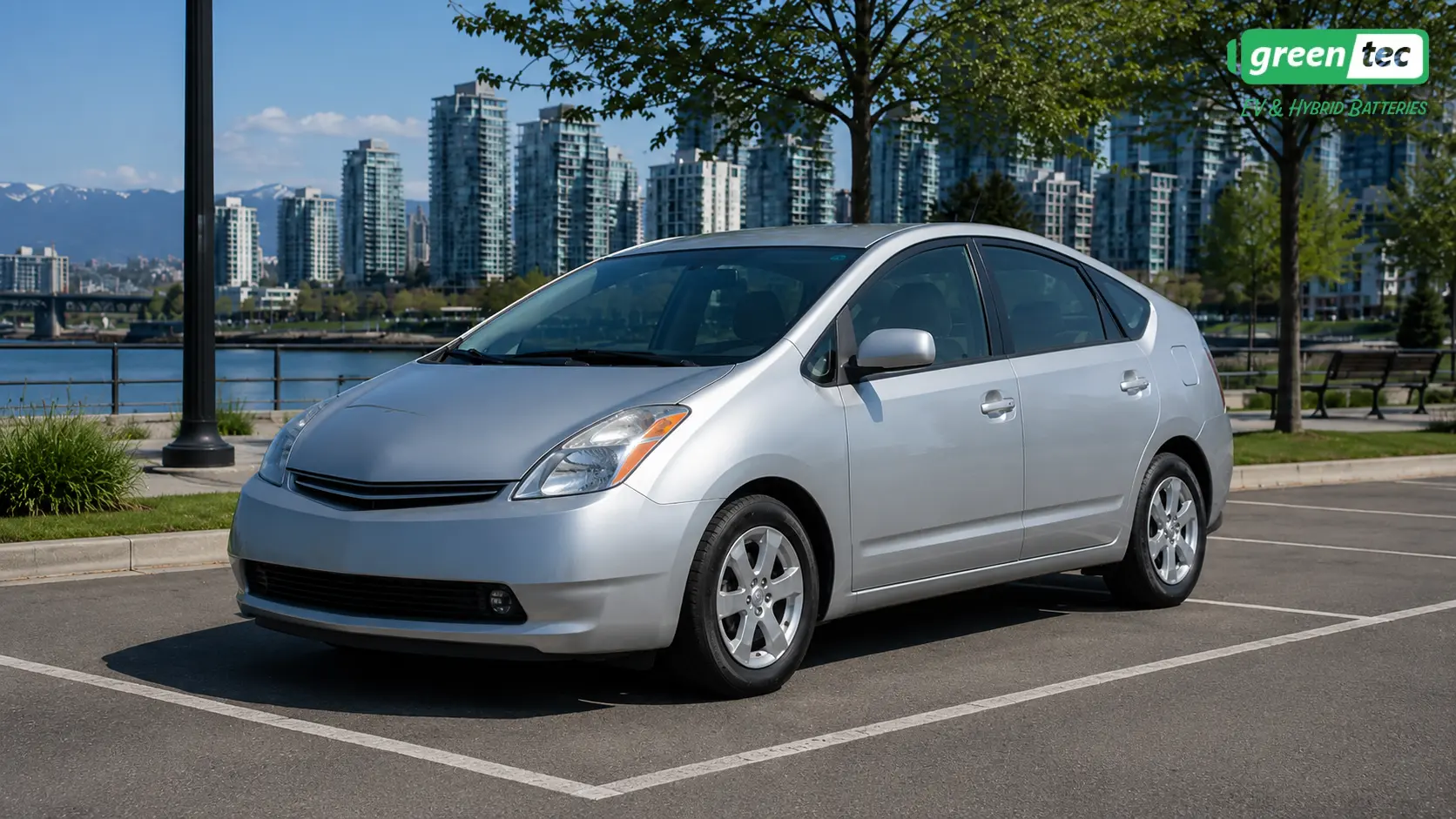
The Toyota Prius is one of the most reliable hybrid vehicles on the road. Owners regularly put 300,000 kilometres or more on these cars before facing serious mechanical issues. But the hybrid battery is not immune to time. Most Prius battery packs last between 8 and 15 years depending on how the car is driven, where it’s driven, and how well the cooling system is maintained.
When the battery starts to go, it rarely fails all at once. It sends signals first. Some are obvious. Others are easy to dismiss or blame on something else. Knowing what to look for means you catch the problem while you still have options, rather than getting stranded or hit with an emergency repair bill.
This is a no-nonsense breakdown of the 10 signs your Toyota Prius hybrid battery is approaching the end of its life and what to do about it.
How the Prius Battery Works (Quick Context)
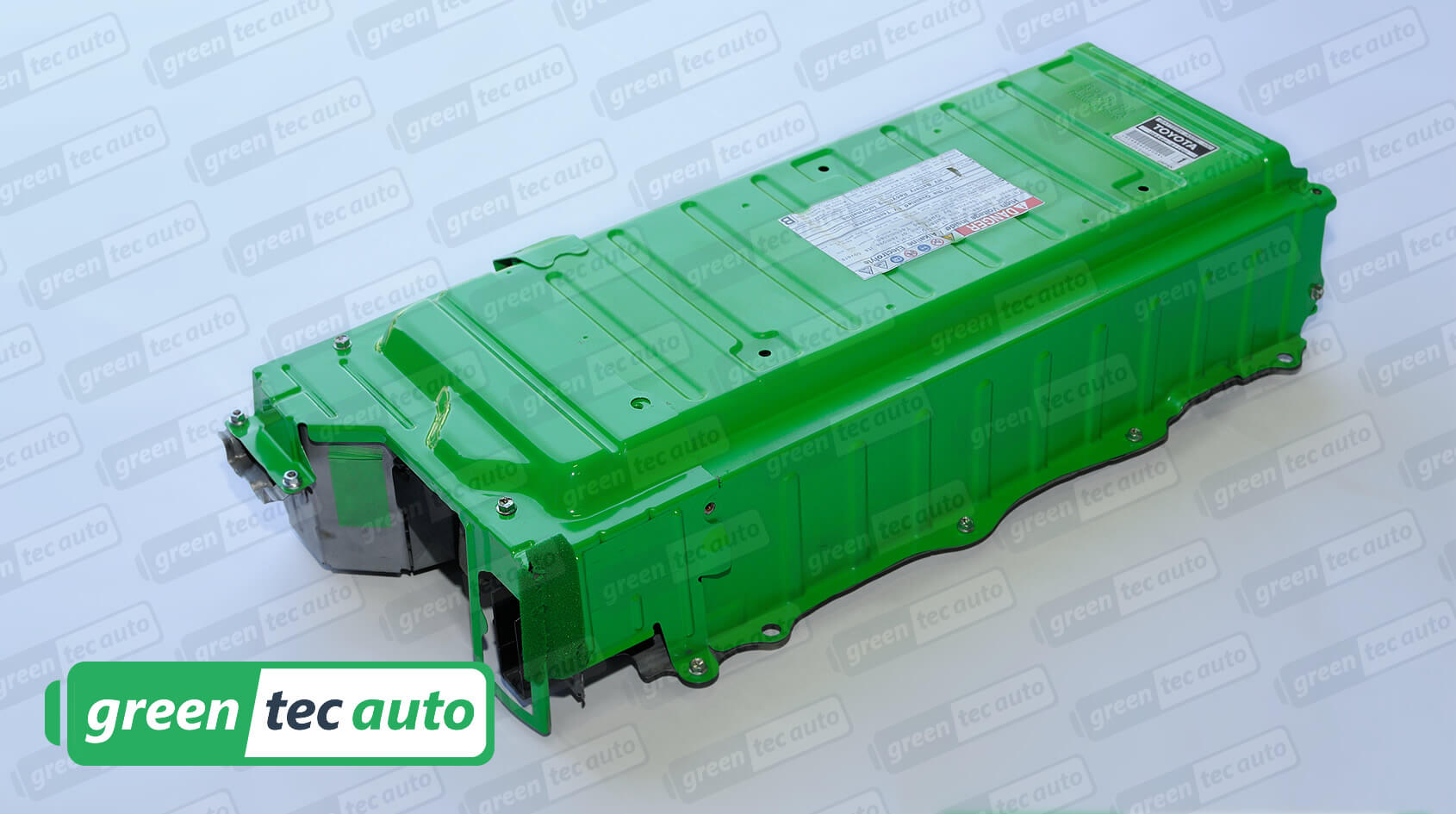
The Prius uses a high-voltage nickel-metal hydride (NiMH) or lithium-ion battery pack depending on the generation. That pack consists of individual modules, each made up of multiple cells. The system constantly charges and discharges as you drive, capturing energy through regenerative braking and releasing it to power the electric motor.
The key thing to understand: the battery pack does not fail as a single unit. Individual cells degrade at different rates. When one module weakens significantly, the entire pack loses balance and performance drops. That’s why the symptoms tend to creep in gradually rather than hitting all at once. Understanding how daily driving habits affect battery life can help you make sense of why your pack may be aging faster than expected.
Sign 1: Your Fuel Economy Has Dropped Noticeably
This is almost always the first sign owners notice, and it’s the most reliable one. If your Prius used to return 4.5 to 5.0L/100km and you’re now seeing 6.5L or higher with no change in how or where you drive, the battery is the most likely cause.
When the pack can no longer hold or deliver charge efficiently, the combustion engine has to compensate. It runs more often, works harder, and burns more fuel. Many Prius owners notice this gradually over weeks or months and chalk it up to season changes or driving patterns. If it persists and worsens, the battery is degrading.
Sign 2: The Engine Runs More Than It Used To
A functioning Prius in city and suburban driving should rely heavily on its electric motor. You’ll notice the engine cutting out at low speeds and the car gliding on battery power. That’s the system working as designed.
When the battery weakens, the electric motor can’t carry the load on its own. The combustion engine kicks in more frequently, runs longer, and in some cases runs continuously when it should be off. If your Prius sounds and feels more like a conventional car than a hybrid during your daily commute, that’s not normal. The battery isn’t pulling its weight anymore.
Sign 3: The “Check Hybrid System” Warning Light Appears
This is the warning light Prius owners dread most. It typically appears alongside the master warning light (a red exclamation mark) and indicates a fault has been detected in the hybrid powertrain, which includes the battery, inverter, and related components.
Do not ignore this light. Do not reset it and hope it goes away. It will come back, and whatever triggered it will worsen in the meantime. Get a proper diagnostic scan that reads hybrid-specific fault codes, not just a generic OBD-II reader. For a full explanation of what each warning light means on a hybrid, see Greentec’s guide to the P0A80 code and hybrid warning lights explained.
Sign 4: You Get a P0A80 Fault Code
If a scan returns a P0A80 code, that is Toyota’s specific code for “Replace Hybrid Battery Pack.” It means the battery management system has detected that one or more modules have dropped below an acceptable state of health.
P0A80 does not always mean you need a full replacement immediately, but it is a serious flag that should not be dismissed. Some owners drive on P0A80 for months, while others see rapid deterioration. Either way, once this code appears, you’re on borrowed time. Greentec has a dedicated breakdown of what the P0A80 code actually means and what your options are when you see it.
Sign 5: The Battery Charge Bar Behaves Erratically
The battery state-of-charge display on your Prius dashboard should move in a predictable, stable way. It charges gradually during braking and descents, depletes gradually under electric load, and holds a mid-range charge during steady highway driving.
If you notice the charge bar jumping around erratically, dropping suddenly from high to low, or failing to charge back up properly during regenerative braking, individual cells inside the pack are likely failing. An unbalanced pack cannot maintain steady charge distribution, and the display reflects that instability.
Sign 6: The Cooling Fan Runs Constantly or Makes Unusual Noise
The Prius hybrid battery has a dedicated cooling fan, typically located in the rear of the cabin. Its job is to keep the battery within its operating temperature range. Under normal conditions, you’ll hear it run occasionally and quietly.
When the battery has degrading or failing cells, those cells generate excess heat during charging and discharging. The cooling system responds by running harder and more often. If you notice the fan running at full speed for extended periods, cycling on and off rapidly, or making a grinding or rattling noise, the battery thermal load is abnormal. This symptom often accompanies the others on this list rather than appearing in isolation.
It’s also worth keeping the cooling vent (located near the rear seat or in the trunk depending on your Prius generation) clear of debris and dust. A blocked vent forces the fan to work harder and accelerates battery degradation. For more on what shortens battery life, see Greentec’s guide on daily habits that help extend your hybrid battery life.
Sign 7: The Car Hesitates or Surges During Acceleration
A healthy Prius accelerates smoothly by blending electric motor and combustion engine power seamlessly. When the battery can no longer supply consistent power, that blend becomes uneven.
You may feel a hesitation when you press the accelerator, a brief pause before the car responds, or an inconsistent surge as the system struggles to compensate for the weak battery with extra engine power. Some drivers describe it as the car feeling “laggy” or unpredictable. This symptom can also indicate other issues, but combined with any of the signs above, the battery is the most likely culprit.
Sign 8: Reduced Performance in Cold Weather
Hybrid batteries naturally lose some capacity in cold temperatures. This is normal and expected, particularly during Canadian winters. The battery management system is designed to handle this within a reasonable range.
What’s not normal is a Prius that struggles severely in cold weather when it previously handled winter driving fine. A battery pack with weakened cells has very little thermal buffer left. When temperatures drop, those weak cells can barely hold a charge, causing the car to run almost entirely on the combustion engine, show dramatic fuel economy drops, and in some cases trigger warning lights that weren’t present in warmer months.
If your Prius seems to deteriorate noticeably every winter and recover in summer, the battery is likely already compromised and using seasonal temperature swings to mask how far it has degraded.
Sign 9: The 12V Auxiliary Battery Keeps Draining or Failing
The Prius has two batteries: the main high-voltage hybrid pack and a small 12V auxiliary battery that powers accessories, the computer systems, and helps start the hybrid system. These two systems are linked.
When the main hybrid battery degrades, it puts unusual demands on the 12V auxiliary battery. Owners with a failing hybrid pack often report the 12V battery dying prematurely or needing repeated replacement. If you’ve replaced your Prius 12V battery once or twice in recent years and it keeps dying, don’t assume the 12V battery is simply defective. The root cause may be the main hybrid pack stressing the system.
Sign 10: The Car Has Over 200,000 Kilometres or Is More Than 10 Years Old
This one is not a symptom but a reality check. If your Prius is past the 200,000 km mark or has been on the road for more than a decade, the hybrid battery is operating in the zone where failure becomes a question of when, not if.
Some packs last longer, particularly in vehicles driven primarily on highways with gentle acceleration patterns, maintained cooling systems, and minimal extreme temperature exposure. But statistically, most Prius battery packs begin showing measurable degradation between 150,000 and 250,000 kilometres. If your car is in this range and showing even two or three of the signs above, a battery assessment is the smart next step rather than waiting for a full failure.
What to Do When You See These Signs
The most important thing is not to panic and not to delay. A degrading battery that is caught early gives you more choices. Here’s the right sequence:
First, get a proper hybrid diagnostic. A standard OBD-II code reader is not enough. You need a technician with hybrid-specific diagnostic equipment who can read individual module health, not just whether a fault code is present.
Second, understand your replacement options before you commit to anything. The choice between a dealership OEM replacement and a new-cell replacement depends on your car’s age, your budget, and how long you plan to keep the vehicle. Greentec’s guide on new vs. remanufactured hybrid batteries walks through that decision clearly.
Third, get a cost estimate that reflects what the repair will actually cost you, not the dealership’s worst-case quote. Browse Greentec’s full Toyota hybrid battery selection to see real pricing for your specific Prius generation.
Why Prius Owners in Canada Choose Greentec Auto
Greentec Auto Canada is Canada’s leading specialist in hybrid battery replacement. For Prius owners specifically, they offer a full range of Toyota Prius hybrid battery options at a fraction of what dealerships charge.
Their certified technicians handle every replacement with the right tools and expertise, ensuring the job is done safely and correctly the first time.
Their mobile installation service means a technician comes to your home or workplace across the Lower Mainland and most of Canada. No towing, no shop wait, no time off work. Most Prius installs take about two hours.
Every battery comes with a warranty covering 1 year, 2 years, or up to 4 years with unlimited mileage. For Canadian drivers putting real kilometres on their vehicles, that coverage matters. Full details are on the Greentec warranty page.
Frequently Asked Questions
How many of these signs need to be present before I should get my battery checked?
Even one sign is enough reason to get a proper diagnostic. Signs like the P0A80 code or the “Check Hybrid System” light warrant immediate attention on their own. For subtler symptoms like slight fuel economy drops or occasional fan noise, it’s still worth getting a check if you’re past 150,000 km or 8 years. Catching degradation early gives you more options and usually costs less.
Can I keep driving my Prius if the battery is failing?
In most cases, yes, at least for a while. The Prius will run on the combustion engine even when the hybrid system is compromised. But fuel economy drops significantly, other components can be stressed by the imbalanced system, and a further failure can be sudden and leave you stranded. Driving on a known failing battery for months is not recommended.
Will replacing the hybrid battery fix my fuel economy?
In most cases, yes, significantly. Fuel economy loss tied to a degraded battery typically recovers after a proper replacement. If fuel economy remains poor after battery replacement, other issues such as spark plugs, oxygen sensors, or tires may also need attention.
How long does a replacement Prius battery last?
A new-cell replacement battery typically lasts 8 to 12 years under normal use. The right choice depends on how long you plan to keep the vehicle and what makes financial sense given the car’s current value. All batteries purchased through Greentec come with a real warranty for added peace of mind.
How much does Prius hybrid battery replacement cost in Canada?
Costs vary by generation and battery type. Getting a direct quote for your specific year and model is the fastest way to know exactly what you’re looking at. Browse Greentec’s Toyota Prius battery options to see current pricing, or contact Greentec directly.
Don’t Wait for a Full Failure
A Prius battery that’s showing early signs of trouble is not a car that’s finished. It’s a car that needs one repair. Handled at the right time, with the right service provider, a Prius battery replacement is a manageable cost that gives you years more use from a vehicle that’s otherwise in good shape. Contact Greentec Auto Canada today or browse their full Toyota hybrid battery selection to see what’s available for your model and year.
Also serving customers outside Canada? Visit greentecauto.com for US coverage and greentecauto.co.uk for UK coverage.